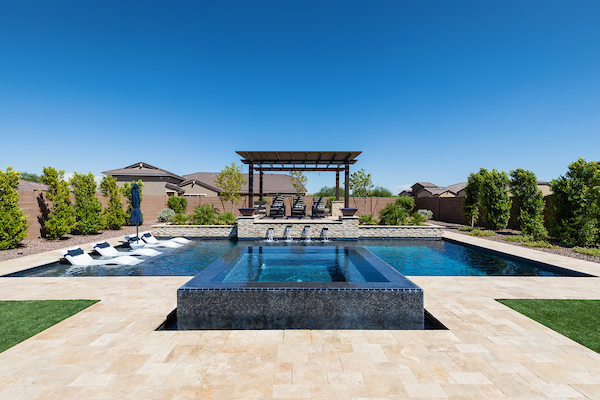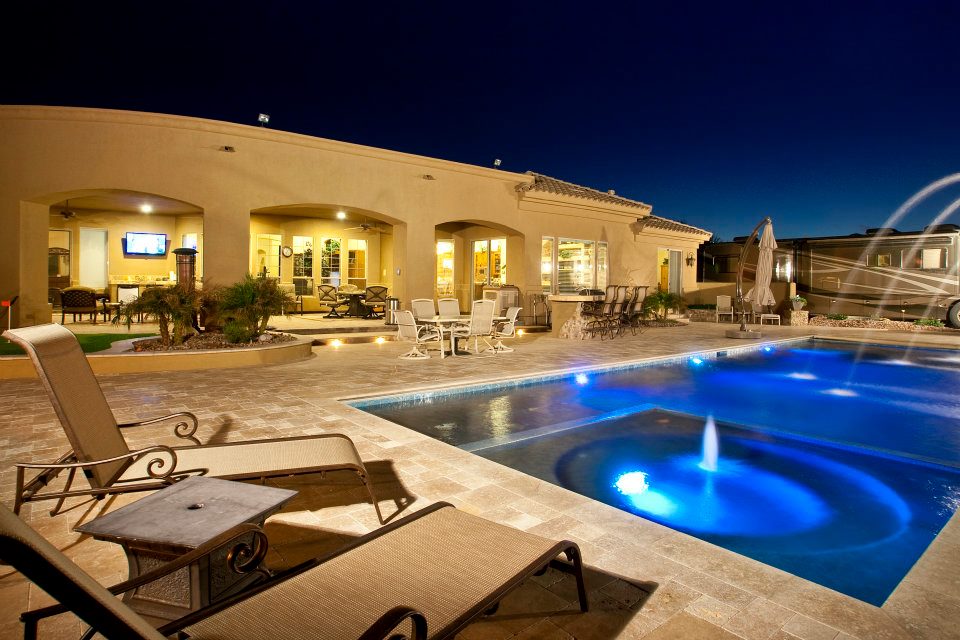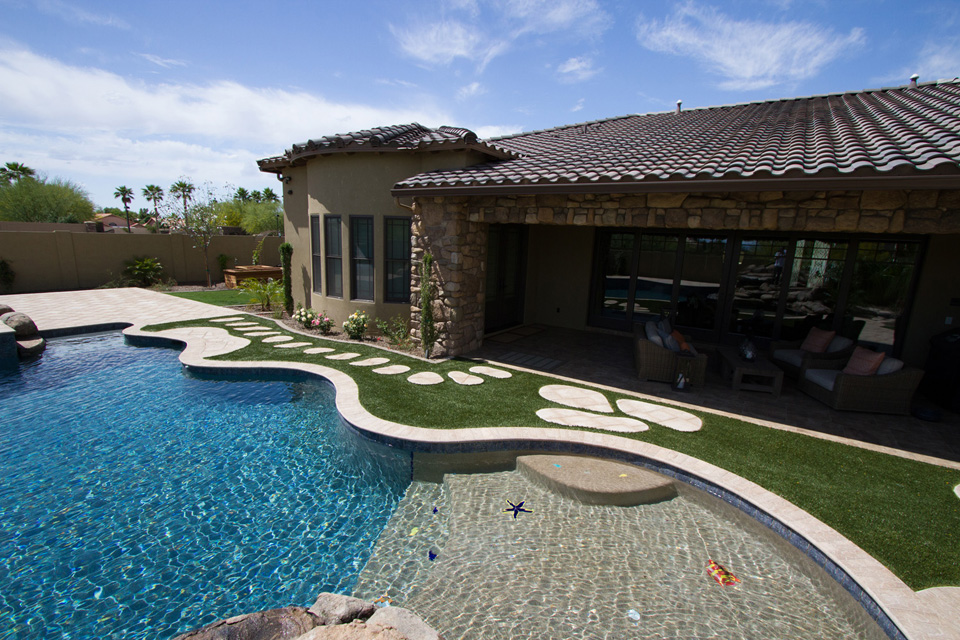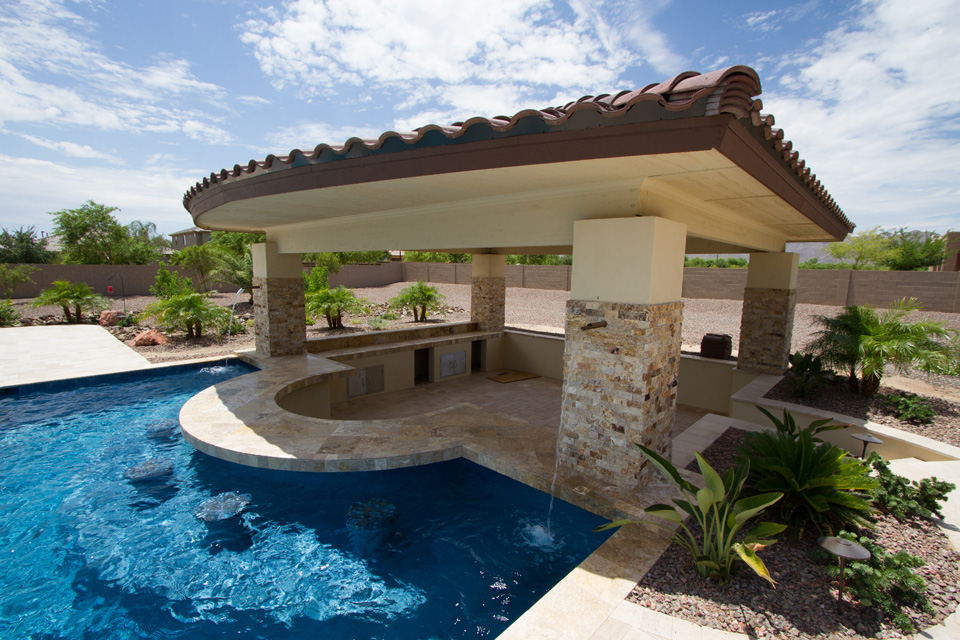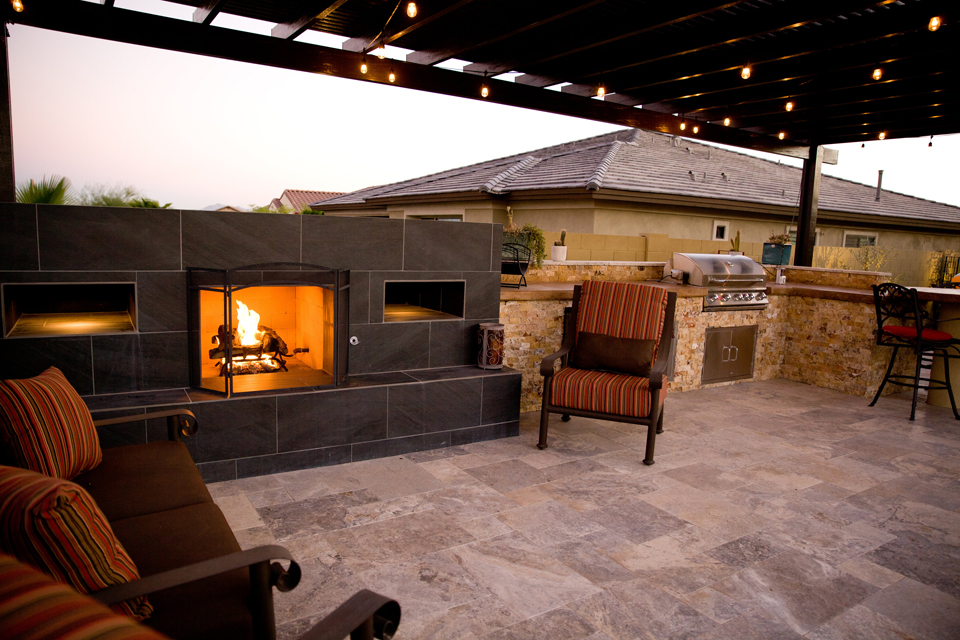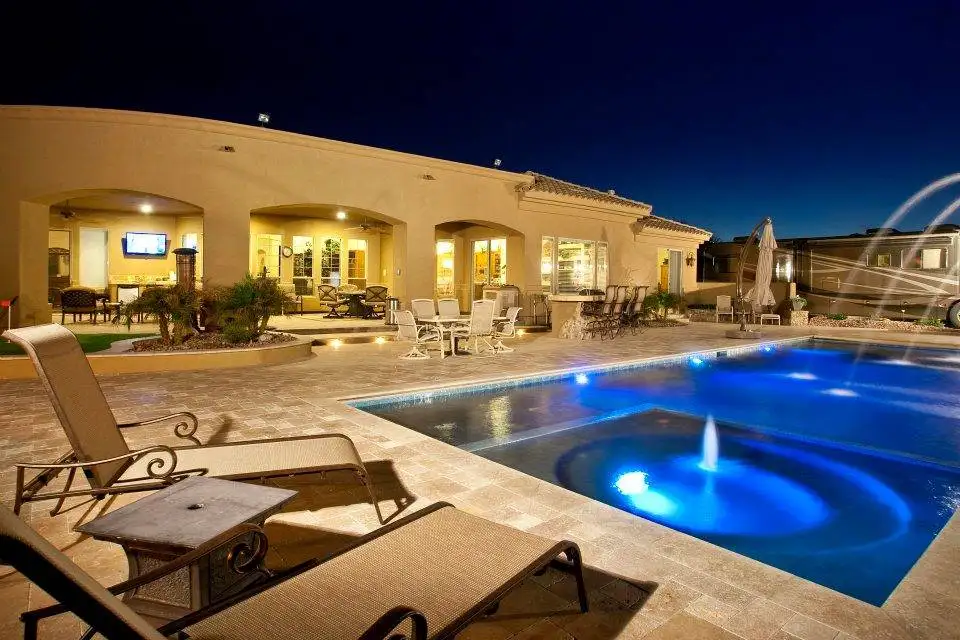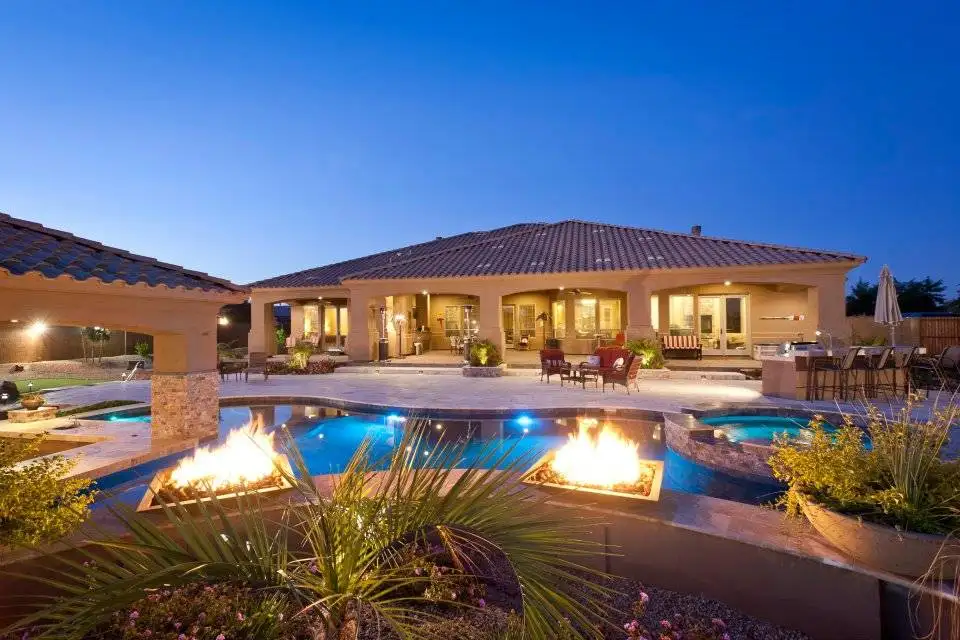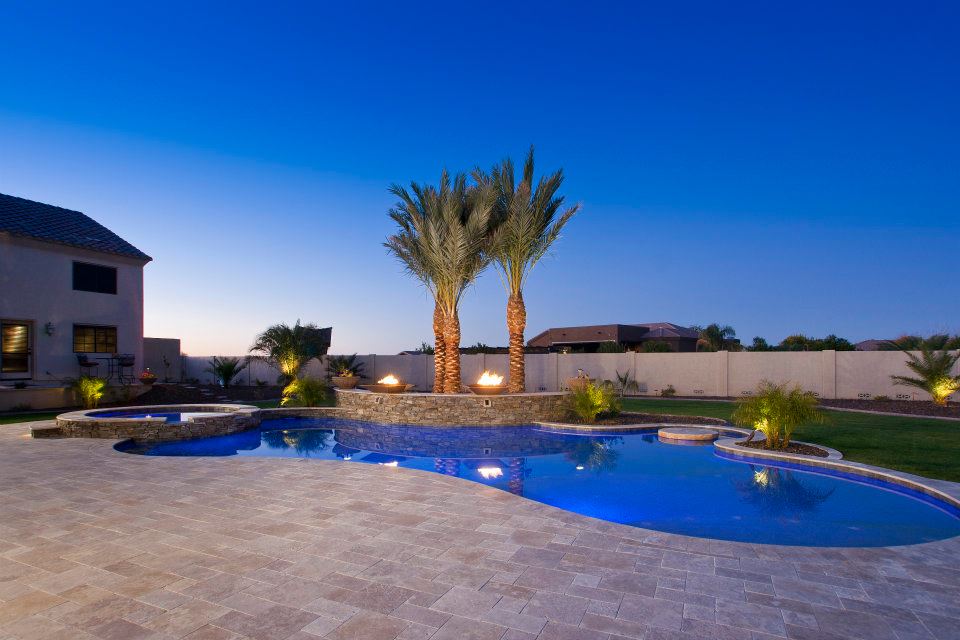

Building a custom pool in Arizona’s West Valley typically takes three to four months from signed contract to completion, depending on the size and complexity of the project. Permitting, weather, and other factors can affect that timeline.
Understanding the pool building process in Arizona can help you feel more prepared for what happens between your first design conversation and your first swim.
At Palo Verde Pools & Outdoor Living, we believe homeowners should know what to expect throughout construction. Here’s how a custom pool comes together, phase by phase.
How Long Does the Pool Building Process in Arizona Take?
From signed contract to completion, most custom pool projects with Palo Verde take approximately three to four months. The full timeline from your first meeting to your first swim varies based on when you’re ready to begin, design decisions, approvals, and project scope.
Some homeowners contact us while their new home is still being built. Others already have a finished home and are ready to start planning their backyard.
A straightforward pool and a complete outdoor living environment with a spa, hardscaping, and additional features will naturally have different construction schedules.
The important thing is understanding each phase and how it contributes to the finished project.
What Happens During the Design Consultation and 3D Design Phase?
The design process begins with understanding your property, your lifestyle, and how you want to use your backyard. From there, we create a custom design that brings those ideas together.
We’ll discuss your priorities, whether that’s a tanning ledge for relaxing, a spa, custom water features, or an outdoor gathering space.
We also consider the practical details, including lot size, access, existing structures, and how the pool will complement your home.
Our 3D design process helps you visualize the finished backyard before construction begins, giving you an opportunity to review features and make decisions with greater confidence.
Explore our approach to Custom Pools and see completed projects in our Portfolio.
What Happens During HOA Approval and City Permitting?
Before construction begins, your project may need approval from your homeowners association and permits from the appropriate city or county. These are separate processes with different requirements.
Palo Verde prepares the construction plans and supporting materials local homeowners typically need for their HOA submission.
City or county permitting focuses on applicable construction and safety requirements.
During construction, inspections may include four checkpoints, depending on the jurisdiction:
- Layout inspection: Some municipalities inspect the proposed pool layout before excavation proceeds.
- Pre-shotcrete inspection: After excavation, plumbing, rebar, and electrical work are completed, the project is inspected before the shell is installed.
- Pre-plaster inspection: The pool is inspected before its Pebble interior finish is applied.
- Final inspection: The completed project, including final electrical work, is inspected.
Not every municipality requires all four inspections, and the timing of individual inspections can vary.
For homeowners in HOA communities, our guide to [Getting HOA Approval for a Pool in the West Valley](INSERT POST 2 URL) explains what to expect before construction begins.
What Happens During Pool Layout and Excavation?
Layout establishes the exact location and shape of your pool in the backyard. Excavation then creates the space needed for the pool structure.
This is when your design begins taking physical shape.
Depending on your municipality, a layout inspection may be required before excavation proceeds.
Once excavation begins, your backyard will look like an active construction site. Equipment, exposed soil, and construction materials are all normal parts of this phase.
While it may look very different from your finished design, excavation establishes the foundation for everything that follows.
How Are Steel, Plumbing, and Electrical Installed?
After excavation, the structural steel, plumbing, and electrical components are installed. These systems provide the framework and functionality your pool needs.
Rebar forms the structural reinforcement within the shell.
Plumbing is installed for circulation, filtration, returns, and planned water features. Electrical work supports the equipment, lighting, and other features included in your design.
Once this work is complete, the project reaches the pre-shotcrete inspection.
Passing this inspection clears the pool for the structural shell installation.
How Is the Pool Shell Built?
Palo Verde builds its pool shells using shotcrete, a concrete mixture that arrives premixed and wet before being applied through a hose at high pressure.
Although homeowners may hear the terms gunite and shotcrete used interchangeably, the application processes are different.
Shotcrete forms the structural shell of your pool and is shaped according to the approved design.
After application, the shell needs adequate time to cure before later construction phases can continue.
At this point, your pool will have a recognizable shape, but the finishes and surrounding outdoor living areas are still ahead.
What Happens During Tile, Coping, and Decking?
Tile, coping, and decking bring the visual details of your design into the backyard. These finishes help connect the pool with your home’s architecture and surrounding outdoor spaces.
Tile adds color and detail around the waterline and selected features.
Coping finishes the pool’s edge and creates a transition between the water and surrounding deck.
Decking provides space for lounging, entertaining, and moving comfortably around the pool.
When you’re designing a complete backyard, these materials should complement one another rather than feel like separate additions.
When Does the Pool Receive Its Interior Finish?
The Pebble interior finish is applied near the end of construction, after the required pre-plaster inspection has passed.
This is one of the most exciting visual transformations in the process.
After seeing the structural shell throughout construction, you’ll begin to see the finished color and character of your pool come together.
Once the interior finish is installed, the pool is filled according to the finish requirements and prepared for equipment startup.
What Happens During Equipment Startup and the Final Walkthrough?
Equipment startup brings the pool’s circulation and filtration systems into operation. The final walkthrough helps homeowners understand the basics of operating and caring for their new pool.
This generally includes an introduction to the equipment, primary system operation, and water-care basics.
[KAYLAN TO CONFIRM: Exact items covered during the startup walkthrough.]
The project also receives its required final inspection, including final electrical work.
Once startup requirements are complete and the pool is cleared for use, it’s time to enjoy the finished backyard.
What Can Slow Down a Custom Pool Build in Arizona?
City permitting, weather, and occasional material availability are the most common factors that can affect a pool construction timeline.
Permitting is often the biggest variable because every jurisdiction has its own review process.
Although Arizona’s climate allows for pool construction throughout much of the year, weather can occasionally affect individual phases.
Material delays are less common, but a specific component may sometimes take longer than expected to arrive.
The complexity of the backyard also matters. A pool with multiple custom features, structures, and surrounding outdoor living spaces involves more coordination than a simpler design.
That’s why we plan around the actual scope of your project rather than promising the same timeline for every backyard.
Why Does Having One Team Throughout the Project Matter?
Having one team focused on the complete backyard helps the design, construction, and outdoor living elements work together from the beginning.
A custom pool involves many connected decisions, from engineering and inspections to materials, equipment, and finishing details.
Adding a spa, outdoor kitchen, fire feature, or landscaping introduces even more considerations.
Palo Verde is a family-owned, full-service design and construction company specializing in complete backyard environments. You can learn more about Palo Verde Pools & Outdoor Living and our approach to each project.
Our goal is to help you understand what’s happening, why it matters, and what comes next.
Because when construction is complete, all those individual phases should come together as one beautiful, functional backyard.
Ready to Explore What’s Possible?
If you’re considering a custom pool or complete outdoor living space in Arizona’s West Valley, we’d love to hear what you have in mind.
Start with a conversation and let’s explore what’s possible for your backyard.
Frequently Asked Questions
Can You Build a Pool in the Winter in Arizona?
Yes. Pool construction can take place during Arizona’s winter months, although weather may occasionally affect certain phases. Your timeline will also depend on design, approvals, permitting, and project scope.
Do I Need a Permit to Build a Pool in the West Valley?
Yes. Custom pool projects require applicable permits and inspections from the city or county. Exact requirements depend on your property’s jurisdiction.
How Soon Can I Swim After the Interior Finish Is Installed?
Your pool must be filled and complete the appropriate startup process before swimming. Palo Verde will provide instructions based on your pool and interior finish.
Who Do I Talk to During Construction?
Palo Verde keeps homeowners informed throughout construction and provides guidance through the major phases, inspections, and project milestones.
Does Palo Verde Build Complete Backyards?
Yes. Palo Verde designs and builds custom pools and complete outdoor living environments, allowing the pool, hardscaping, and additional backyard features to work together.